






California should invest more in clean vehicles for healthier air and lower costs
Posted: in California, News
Written By


Share
California surpassed 2.5 million zero-emission vehicles years ahead of schedule. Nearly $12 billion in private-sector electric vehicle investments have been announced. EVs can now power homes during outages. Fleets can slash fuel costs by more than 60%. Many communities near ports breathe cleaner air. These aren’t projections – they’re results already delivering across California.
State leadership and targeted investments made this progress possible. As lawmakers finalize the budget amid federal attacks on California’s clean vehicle authority, the state’s clean transportation budget stands out as one of the most powerful tools to protect public health, lower costs, expand consumer choice and sustain economic momentum.
Environmental Defense Fund applauds the Governor’s proposed $200 million light-duty vehicle incentive and urges the Legislature to commit at least $1.5 billion to fund the full spectrum of clean vehicles and infrastructure (see our fact sheet for more recommendations).
Savings add up for families and fleets
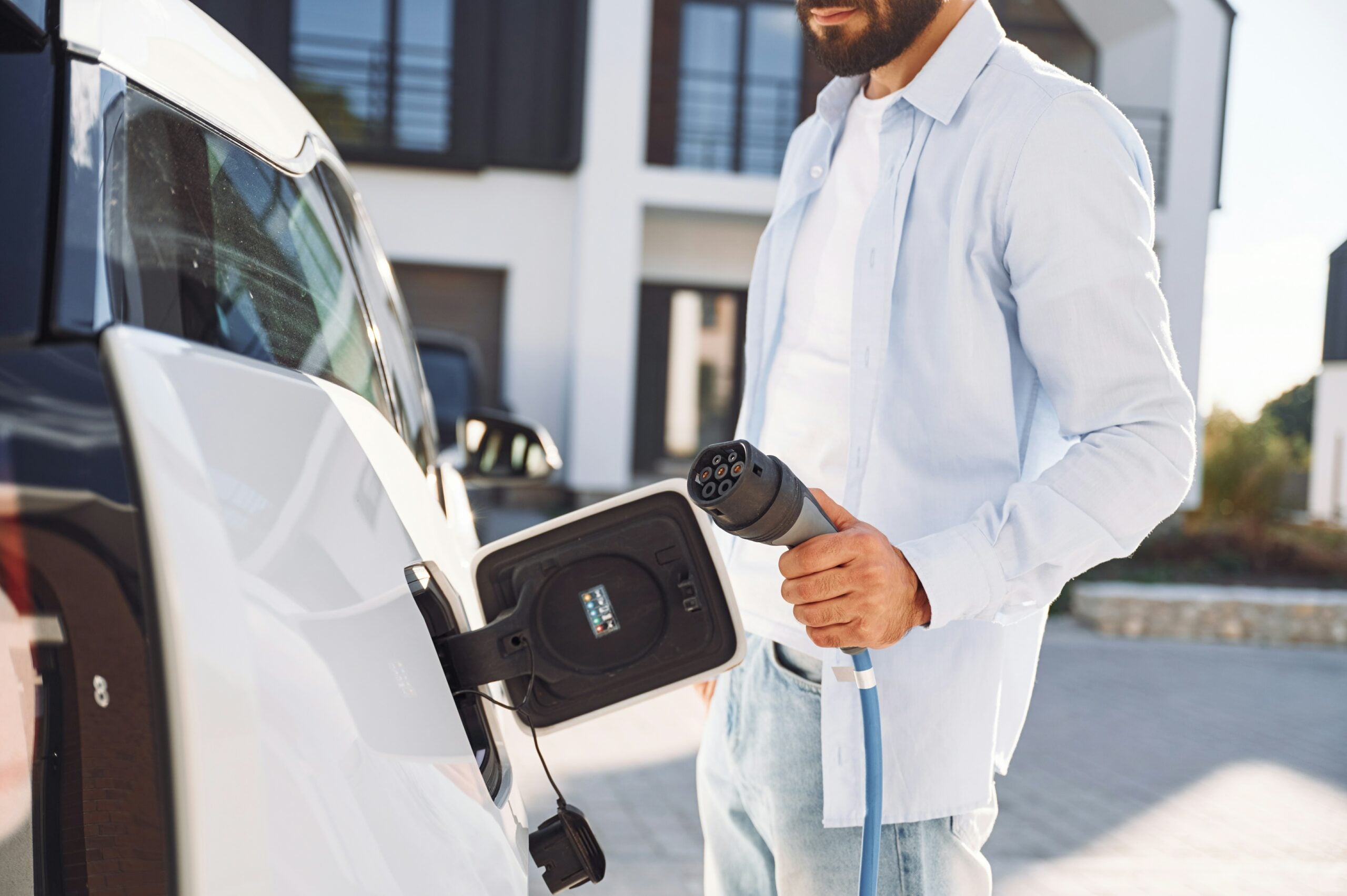
After housing, a car is the second-largest household expense, and purchase prices remain a real barrier for families who want to choose cleaner vehicles. Incentive programs like Gov. Newsom’s proposed new light-duty incentive and Clean Cars 4 All help remove that barrier – especially for low- and moderate-income households replacing older, high-polluting cars with options that fit their budgets. Funding these programs in the final state budget is essential to keep clean transportation within reach for California families.
Once on the road, the savings continue. EV owners in California can save up to $1,500 in fuel and maintenance over a passenger vehicle’s lifetime, while heavy-duty truck operators can save up to tens of thousands of dollars per vehicle. With volatile fuel prices and rising living costs, those savings matter now. These state incentives for buyers deliver immediate relief at the point of sale and long-term affordability every month after.
EVs power homes and strengthen the grid
Electric vehicles do more than move people. Bidirectional charging turns EVs into mobile batteries that charge from the grid and supply power back to homes during outages. One Santa Cruz-area family already powers their entire home with their electric pickup truck during frequent mountain blackouts.
They’re not alone. Across California, EV owners are running refrigerators, lights, phones and medical equipment when the grid fails. By 2045, this distributed battery network could deliver over $10 billion annually in grid savings by cutting peak demand, avoiding costly upgrades and lowering rates for all customers.
Clean trucks cut pollution where it hits hardest
Despite significant progress, transportation remains California’s largest source of smog and climate pollution, with communities near ports, warehouses and truck routes bearing the heaviest health burden for decades. Clean truck investments are beginning to change that reality.
At the Ports of Los Angeles and Long Beach, electric drayage trucks are replacing diesel vehicles that operate all day in nearby neighborhoods. California-based companies like Tradelink Transport are deploying zero-emission trucks that eliminate tailpipe pollution while dramatically lowering operating costs.
Replacing heavy-duty diesel vehicles could deliver up to $5.6 billion in statewide health and environmental benefits while modernizing California’s goods-movement system. Demand for the Clean Truck and Bus Voucher Incentive Project consistently exceeds available funding – clear evidence that fleets are ready to electrify when incentives exist. The Legislature should continue funding this essential cost-saving and public health program.
Schools, farms, and businesses lower operating costs
In Humboldt County, McKinleyville Union School District used California Climate Investments to purchase four zero-emission school buses, cutting fuel and maintenance costs by 60% while improving air quality for 250 students. In rural communities, the Funding Agricultural Replacement Measures for Emission Reductions (FARMER) program helps growers replace diesel equipment with cleaner alternatives, reducing both air pollution and fuel costs.
Yet despite its success, the current state budget left FARMER without funding – ignoring an urgent need among California’s agricultural communities that must be addressed this year.
Major corporations also see the value. In 2024, PepsiCo announced a major expansion of its California electric fleet, including 50 Class 8 Tesla Semi trucks and 75 Ford E-Transit vans to cut costs and carbon dioxide (CO₂) emissions. By energizing 20 trucks ahead of schedule, the company estimates it will avoid roughly 8,000 tons of CO₂ and save about $1 million in fuel costs. These projects support jobs across manufacturing, construction, utilities and technology – and they depend on stable, multi-year state investment to scale.
Federal uncertainty makes state investment critical
Federal rollbacks of national standards and the loss of key tax credits have rattled the ZEV market, triggering clean energy investment cancellations nationwide that wiped out 39,000 jobs and $29 billion in 2025, according to EDF analysis. California’s state transportation budget remains one of the Legislature’s most reliable tools to preserve momentum, protect affordability and deliver results. The Legislature should seize this opportunity.
These ZEV buyer incentives accelerate adoption now to lock in long-term savings, cleaner air, consumer choice and economic benefits for decades. Meanwhile, EV costs continue to fall rapidly across multiple segments. Passenger electric vehicles are nearing upfront price parity with gasoline models – and in some cases, they’re already cheaper.
The path forward
California’s clean transportation investments are working – at homes, ports, schools, farms and businesses statewide. The question is whether California’s leaders will continue building on what’s already succeeding. The evidence from communities across California is clear: continued investment delivers real returns. Now is the time to double down.