







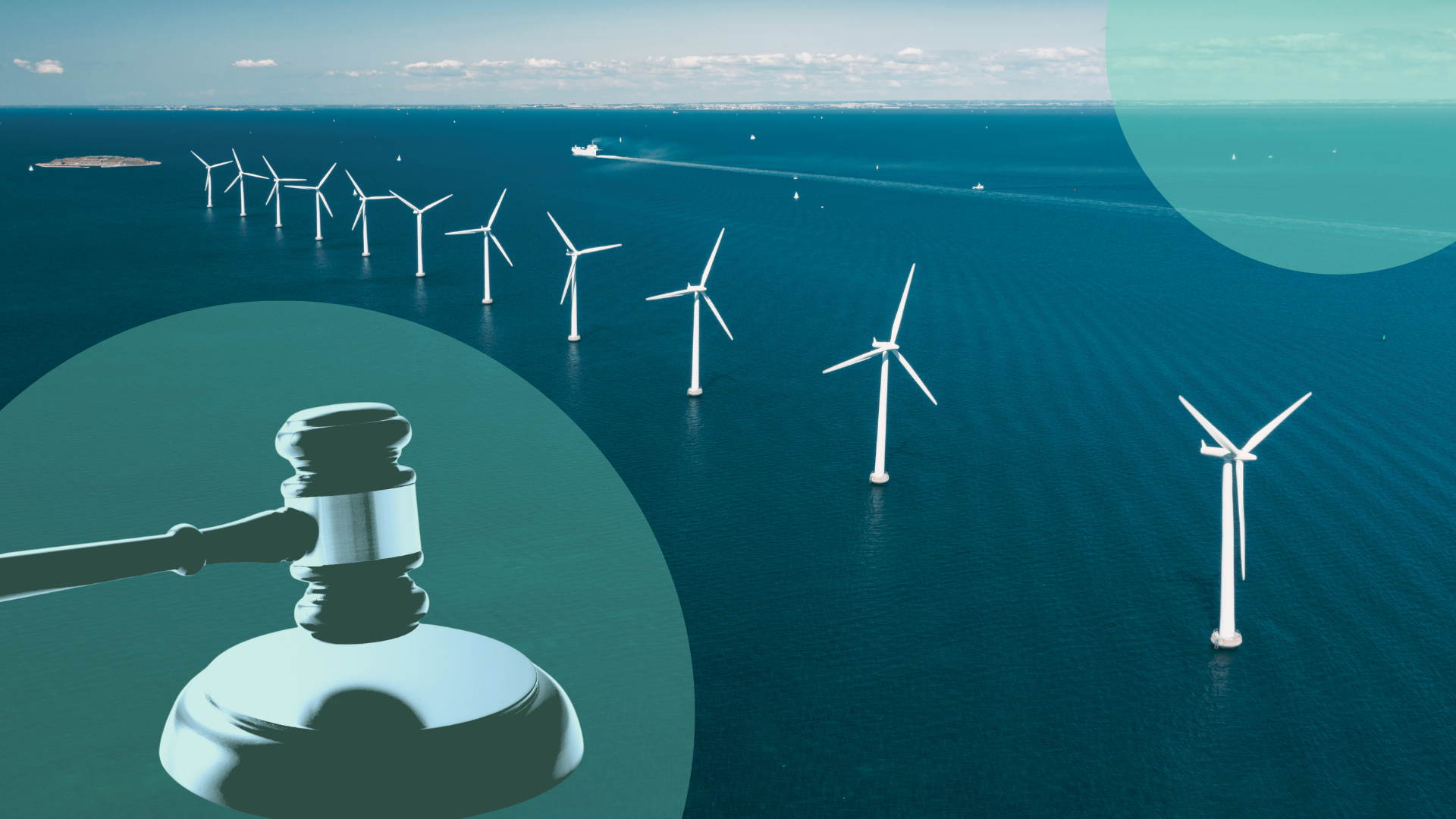
When agencies fail to show their work: Why the Trump administration’s wind ban was struck down
Posted: in News
Written By


Share
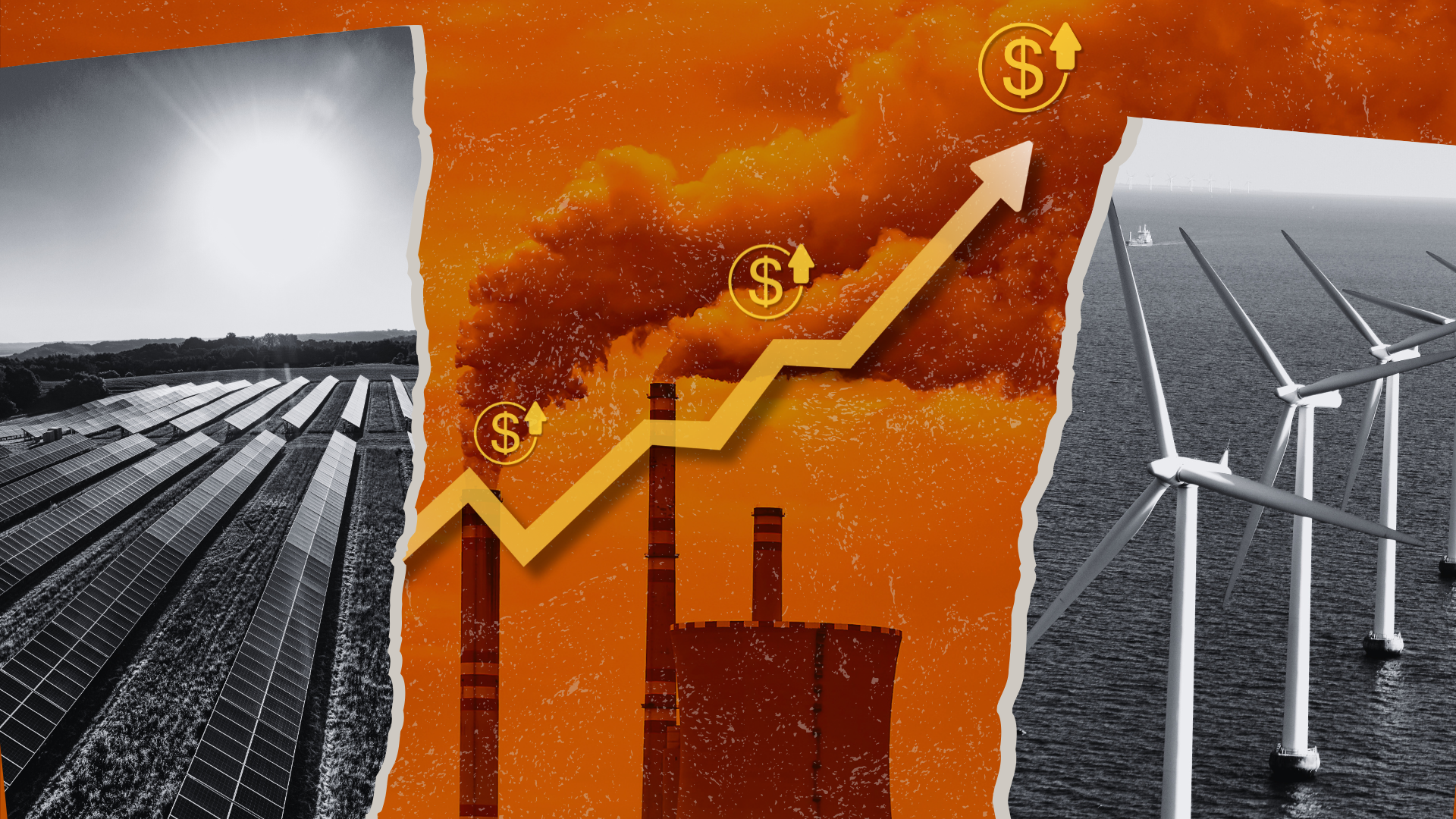
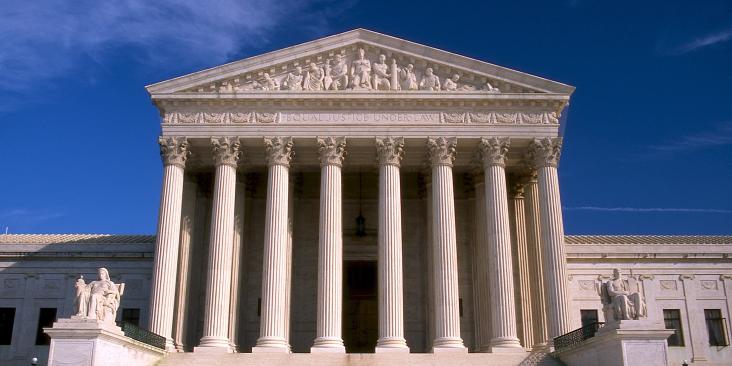
Last week, the U.S. District Court for the District of Massachusetts quashed the Trump administration’s federal permitting ban on wind energy projects issued on Day One, striking it down entirely.
For nearly a year, the order recklessly held up the build-out of clean, affordable power for millions of Americans – and led to significant investment and job loss – just as the country’s need for electric power reached new heights.
Attorneys General from 17 states and Washington, D.C., along with ACE NY (a nonprofit association of companies that develop wind and solar projects and supply technology for those projects) challenged the order in May. Public interest groups, including Environmental Defense Fund, supported their challenge with an amicus brief.
In its final ruling, the Court concluded that “…the Wind Order constitutes a final agency action that is arbitrary and capricious and contrary to law.”
But what exactly does “arbitrary and capricious” and “contrary to law” mean in this context? And how may it apply to other Trump administration actions to limit energy projects moving forward?
First, what does “Arbitrary and Capricious” review mean?
Courts commonly review challenges to a final agency action – a government agency’s ‘last word’ on a decision – by applying the “arbitrary and capricious” standard. Bear with us a second on the legal background: This standard is from a federal law governing how agencies create and implement regulations, called the Administration Procedure Act (APA). The goal of the APA is to ensure a transparent and fair process of creating and reviewing regulations.
Under this framework, the court may invalidate final agency actions where an agency fails to “…examine the relevant data and articulate a satisfactory explanation for [the] action including a ‘rational connection between the facts found and the choice made.”
A court may find a final agency action is arbitrary and capricious for a number of reasons including: if the agency relied on factors that Congress did not intend for the agency to consider; entirely failed to consider an important aspect of the problem, or offered an explanation for its decision that conflicts with the evidence before the agency.
So, how did “arbitrary and capricious” apply to the Wind Order? The Federal District Court offered three key reasons:
- Agency Defendants (i.e. the Trump administration) failed to offer a reasoned explanation for its decision to no longer issue wind permits, despite laws explaining how such permits should be issued and a decades-long practice of doing so. Their only justification was that the Wind Memo from the President told them to. (Following the Wind Memo, several federal agencies ordered an immediate pause to all wind energy authorizations, known as the Wind Order).
- The Wind Memo itself could not be a sufficient explanation because it fails to provide an adequate explanation of why permits should not be issued beyond a single sentence alluding to vague deficiencies in the permitting scheme. In other words, despite all the public claims from the administration about the so-called threats caused by wind energy, they ultimately offered no evidence to back them up.
- Agency Defendants failed to account for states’ reliance on the opportunity for federal wind permits in designing their state energy policies with wind energy and therefore, depend on the electric power, jobs, investment and health benefits of those projects. More on that below.
Why did the Court find the Wind Order “Contrary to Law”?
Under the APA, a final agency action is “contrary to law” when the action conflicts with regulations or if the administrative agency abdicates its duty to move forward on a matter presented to it “within a reasonable time.”
In this case, the Trump administration offered no timeline for when they would actually review wind permits – projects were left in limbo with no end in sight. When asked how much longer it would take the government to finish the review of wind permits directed in the Wind Memo, the administration’s lawyers had no answer, more than 10 months after the Memo had been issued. The Court explained that halting the permitting review of all wind-project permits with no set end date violates the law’s requirement that agencies must make decisions “within a reasonable time.”
The bottom line: The agencies failed to show their work on why they were holding up wind permits, and they failed to give a timeline for reviewing them.
The case from the states on the value of wind energy
In their challenge, the state Attorneys General claimed that the halt on federal permitting approvals “[creates] an existential threat to the wind industry.” If left in place for the duration of the President’s term, they explained, the ban could wipe out nearly $100 billion in investment and cost as many as 40,000 jobs.
Those warnings weren’t hypothetical. During a nearly year-long pause in approvals, the Center for American Progress estimated that roughly 17,000 offshore wind jobs tied to about a dozen projects — along with nearly 2,000 onshore wind jobs — were left in limbo. For states counting on wind projects to deliver and sustain good-paying jobs and local investment, the economic stakes were high.
The uncertainty was so severe that economic analysts slashed projected offshore wind installations in the U.S. by more than half over the next decade.
The states’ case underscored that wind power isn’t some unproven technology. It already supplies 10% of U.S. electricity, and many states see it as central to their energy future. Wind energy and battery storage are a proven way to meet rapidly growing electricity demand with power that is reliable, affordable and clean.
Offshore wind is particularly critical for the Northeast’s energy supply because the region gets most of its electricity from natural gas, which is subject to major price fluctuations. In fact, Vineyard Wind, located off the coast of Massachusetts, is already displacing the need for additional natural gas, saving ratepayers roughly $2 million a day during a recent cold snap.
And, of course, there’s the tremendous pollution impacts too. By displacing polluting fossil fuels like gas and coal, wind energy reduces health harms like asthma, bronchitis and heart attacks; not to mention, the greenhouse gas pollution that is altering the climate.
What’s Next?
The Trump administration has 60 days to appeal the U.S. District Court for the District of Massachusetts decision to the First Circuit. This decision, along with the September court ruling lifting the stop-work order that the administration had placed on the Revolution Wind project, sends a strong message that the Trump administration cannot selectively obstruct clean energy projects. However, EDF, along with the states and the clean energy industry, will closely monitor whether the federal government starts issuing permits and approvals for wind projects. If they do not, we will request court enforcement of this decision, or consider further legal challenges, as appropriate.
Unfortunately, the wind permitting ban was not an isolated move – it’s one of many of the administration’s attacks on clean energy. Others include the recission of funding for clean energy and grid resilience projects in states that voted for a different presidential candidate in the 2024 election, and the Department of the Interior’s Secretarial Order blocking the buildout of clean energy on public lands.
Against that backdrop, the Court’s ruling — that the wind permitting pause was “arbitrary and capricious” and “contrary to law”– reaffirms a basic principle: clean energy projects deserve fair, comprehensive review and must be allowed to move forward under the law.