





Deadly temperatures spotlight workers’ need for heat protection rules
Posted: in News
Written By

Share
Author: Elle Stephens
It’s now official: this was the hottest U.S. summer ever. Historic heat waves enveloped large parts of the country, setting record highs and causing major health concerns. In the Midwest, for example, extremely high temperatures, without the relief of nighttime lows, created dangerous conditions—summer camps, outdoor festivals, and even college campuses shut down to protect people from heat injury. Heat is already the deadliest weather-related hazard in the United States, killing approximately 1,300 people every year, with climate change only making matters worse—especially as the Trump administration is trying to get rid of many of our protections against the pollution that causes climate change. And because people face heightened heat risks at work, occupational heat protections are more crucial than ever.
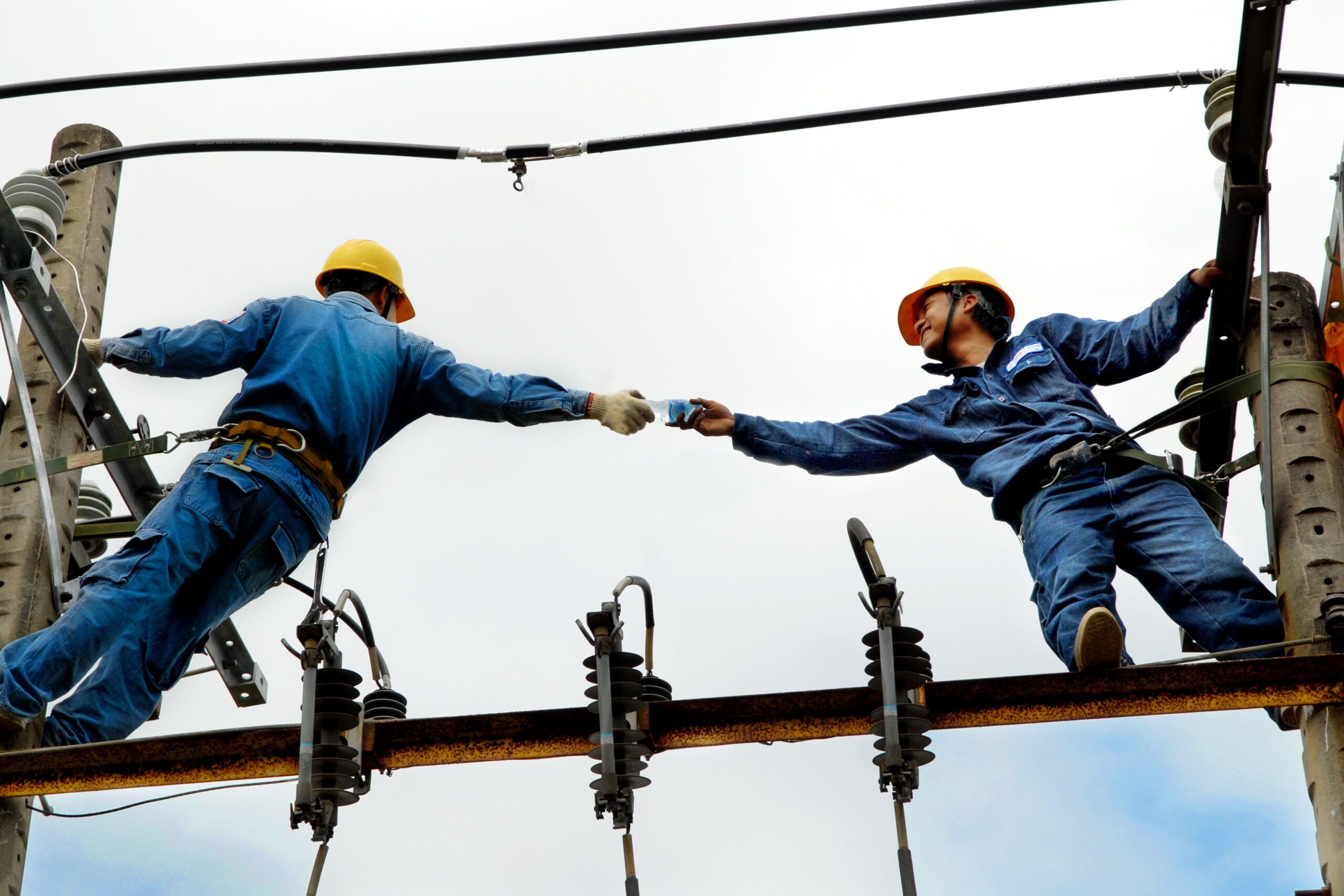
Workplace factors contribute to heat stress on the body from sources like the workplace environment (including heat generated from equipment), metabolic heat from workplace movement, and clothing or personal protective equipment. Workers can experience greater heat stress than non-workers because they are required to work through shifts with prolonged heat exposures, as well as complete tasks that require physical exertion or heavy protective equipment. Establishing robust occupational heat standards could substantially reduce the risks posed by these hazards.
That’s where the Occupational Safety and Health Administration’s (OSHA) Heat Injury and Illness Prevention Rule should come in. The rule, first proposed in 2024, aims to protect U.S. workers by developing nationwide occupational heat stress and injury prevention standards. The rule would require employers to create Heat Illness Prevention Plans (HIPP) to evaluate and control heat hazards within their workplaces. Every covered employer would need to have a written HIPP and make efforts to explain these plans to employees in a language they understand. When the heat index reaches 80°F, basic protections, like water stops and indoor shade breaks, would kick in, and as temperatures rise, additional, commonsense protections would apply to protect workers’ health.
EDF has engaged in support of OSHA’s rulemaking at every opportunity, alongside workers, community leaders, health professionals and scientific experts, including by submitting comments, presenting public hearing testimony and post-hearing comments, emphasizing the need for the rule. And this July, the BlueGreen Alliance updated its model heat rule checklist, with EDF’s endorsement. With vital protections on the line and climate change increasing the danger to workers every year, it’s especially important that robust protections for workers move forward.
But this summer, OSHA indicated that it plans to release a supplemental proposal in December 2026, and a final action in October 2027. While OSHA has made no formal announcement of the details, reports suggest it will propose to weaken the protections. And in Congress, the House Education and Workforce Committee advanced a damaging bill that would bar OSHA from issuing the rule entirely. Further, OSHA has significantly decreased workplace inspections related to extreme heat under the Trump Administration – a concerning shift from practices under prior administrations.
However, states and localities are stepping up to protect their workers. Currently, seven states have heat standards: California, Maryland, Oregon, Colorado, Minnesota, Washington and Nevada. Each state’s laws vary in scope and the extent of protections, but all include requirements related to heat illness prevention plans, emergency procedures, training, acclimatization procedures and access to shade, water and rest breaks. In April 2026, Governor Abigail Spanberger of Virginia signed SB 288 into law, which requires that the state regulator create workplace heat standards for indoor and outdoor workers that include commonsense protections and emergency response procedures. The rulemaking process is set to unfold over the next several years.
Cities are enacting protections too. For example, Phoenix has an ordinance to ensure that city contractors use heat safety plans to protect outdoor workers. And, in June 2026, New York City moved forward with an executive order directing city officers to develop worker heat illness prevention guidance, as well as specific requirements for ensuring the safety of municipal workers from heat. Trade groups and investors are also urging companies to implement protections now.
With temperatures rising perilously and the federal government’s standards in doubt, leadership from states, cities, and employers on protecting workers from heat hazards is more important than ever.