






India’s dairy industry: A market opportunity for climate adaptation to protect people and livelihoods
Written By

Share
This blog is co-authored by Abhinav Guarav, Lead Advisor-Sustainable Dairy, Environmental Defense Fund, and Meredith Ryder-Rude, Associate Vice President for Global Engagement and Partnerships.
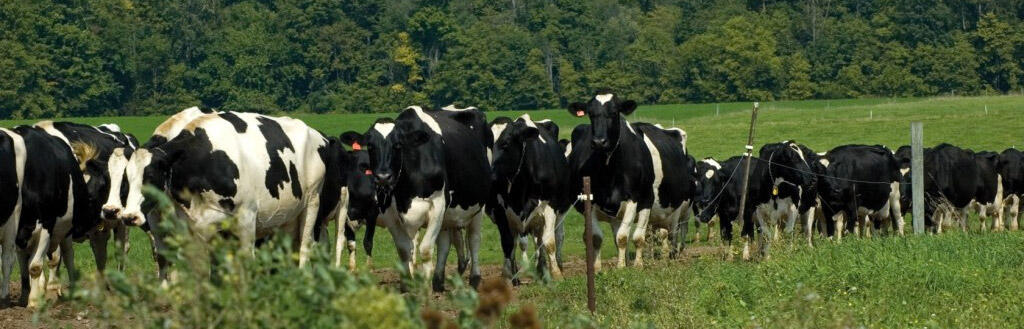
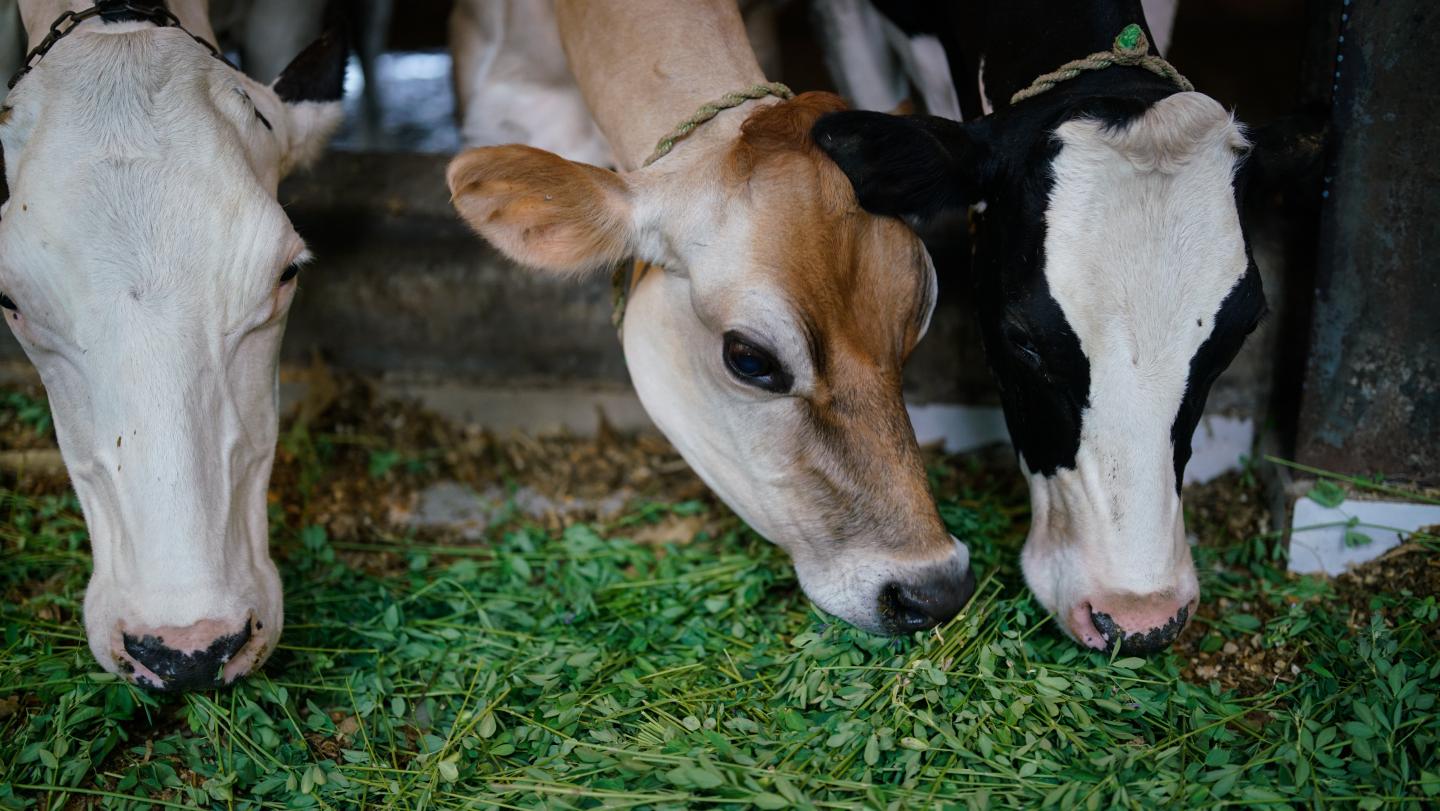
India is home to 80 million smallholder dairy farmers and nearly 300 million bovines, making it the world’s largest milk producer. The Indian dairy industry is responsible for a quarter of global milk supply and soon approaching one-third.
Dairy is not only culturally significant in India, but also the backbone of its agricultural economy, contributing significantly to GDP and rural livelihoods. But this sector is on the frontlines of climate change.
India’s dairy industry faces climate risk
Summers that once lasted three months now stretch to five, bringing extreme heat and humidity that threaten milk production. Studies warn that without corrective action, India could lose 20–30 percent of its milk production by mid-century. The Lancet projects a 25% decline by 2085 under business-as-usual scenarios. Smallholder farmers—most owning just 3 to 5 animals—are especially vulnerable. They lack access to improved technologies, knowledge, and financing.
The Indian government has launched programs like NICRA (National Innovation for Climate Resilient Agriculture) and invested in research on heat stress and resilience. But scaling solutions to 80 million farmers remains a challenge. Knowledge exists, yet translating it into affordable, accessible technologies and services is the missing link.
Adaptation as an economic strategy for Indian dairy
Adaptation cannot rely solely on public funding. To get adaptation technologies—like shade barns, misting fans, and climate-smart feed—into the hands of vulnerable farmers, private sector investment and market mechanisms are essential.
This is where India has a unique opportunity. With strong dairy cooperatives, global dairy giants like Nestlé and Danone, and national development banks, India can lead in creating a market for adaptation solutions.
The adaptation playbook for Indian dairy
Create incentives
Just as renewable energy tax credits and EV mandates spurred clean energy markets, adaptation needs similar tools.
- Blended finance models can unlock private capital for nature-based solutions. EDF’s Regenerative Agriculture Finance (RAF) Program offers a blueprint: farmers earn lower loan interest rates by meeting soil health standards, backed by $13 million in incentives from partners like PepsiCo and ADM.
- Resilience bonds could link dairy infrastructure upgrades—such as cooling systems—to reduced insurance premiums.
Aggregate demand
Bulk procurement and collective purchasing can make adaptation affordable while also reducing risks for buyers. India’s dairy cooperatives are ideal platforms to pool demand for cooling technologies, climate-smart feed, and water-saving tools. By pooling demand, buyers gain stronger negotiating power and lower unit prices, while suppliers of these products and technologies benefit from increased certainty and predictable revenue streams. This coordinated, win-win approach also sends clear signals to investors about the attractiveness and scalability of adaptation solutions, encouraging further capital flow into the sector. EDF’s work with dairy entrepreneurs in Tamil Nadu and Maharashtra shows how coordinated adoption reduces costs and improves resilience.
Raise awareness
Farmers need clear, actionable information on climate risks and practical solutions. Climate projections and localized, industry-specific risk assessments help farmers understand what’s at stake, while economic modeling quantifies the benefits of adaptation – showing for example that every $1 invested in resilience can yield up to $10 in avoided losses. These insights transform adaptation from an abstract concept into an obvious business case. Awareness campaigns through cooperatives and microfinance institutions can help farmers see adaptation as an investment, not an added cost.
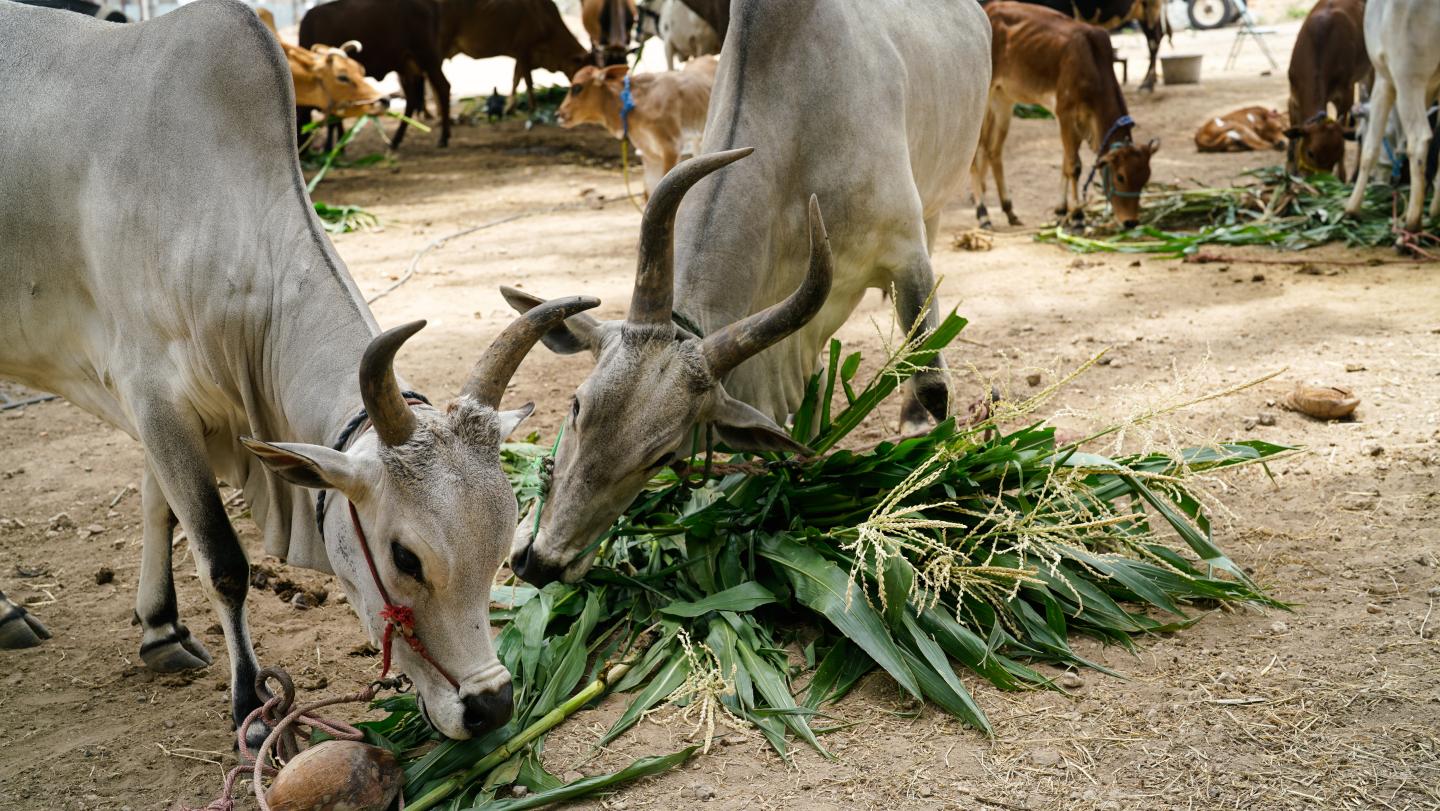
India’s dairy sector is not just vulnerable—it’s a proving ground for scalable adaptation strategies. With strong networks, government support, and private sector interest, India can pioneer market-based solutions that protect livelihoods and sustain global milk supply.
By creating incentives, aggregating demand, setting standards, and raising awareness, India can transform climate adaptation from a challenge into an opportunity. EDF is working with partners to make resilience visible, valuable, and investable—starting with smallholder dairy farmers. This is how we create a resilient future that is not only possible, but profitable.