







Climate adaptation can’t wait: Making resilience visible, valuable, and investable
Written By

Share
At COP30, countries agreed within 10 years to triple support provided to developing nations for their adaptation priorities to increase resilience to climate change. This commitment comes at a critical moment. As progress to reduce planet-warming pollution from burning fossil fuels lags behind what scientists say is necessary, money is urgently needed to adapt to a warming world. And it’s worth the investment: every dollar spent on resilience yields ten times the return in avoided losses and economic benefits.
We need more decision-makers to understand this return on investment—and to do that, we need to build a market for adaptation solutions.
Climate impacts are accelerating faster than systems and societies can handle. This year alone, we witnessed 14 winter wildfires in Southern California and floods displacing millions from Texas to Nepal. At the same time, slow-onset impacts—like extreme heat, rising seas, and desertification—are reshaping cities, driving up food and energy costs, and threatening jobs and livelihoods. The adaptation gap and the affordability crisis are closely linked.
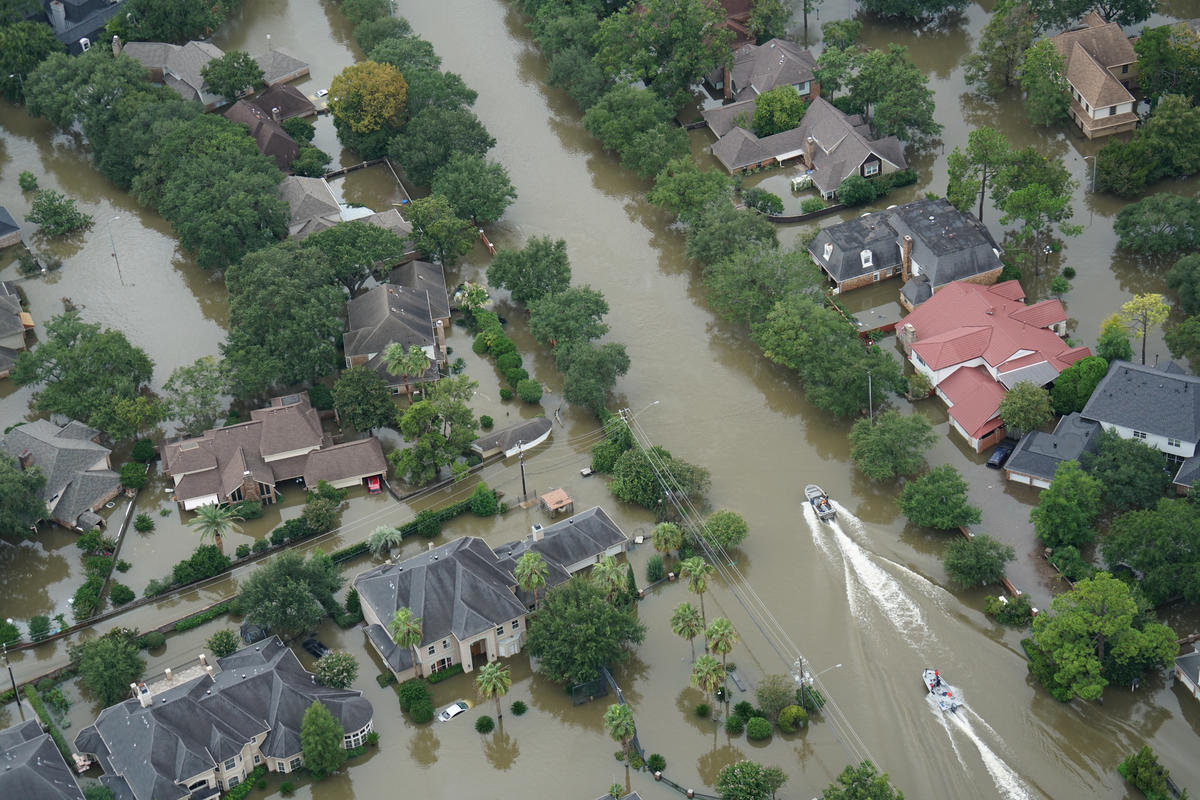
The reality is clear: climate change is already costing us. What we need now is a shift in mindset. Investing in adaptation today—proactively—will make our economies and communities safer and more prosperous well into the future.
Market roadblocks to adaptation
One reason adaptation lags behind is market failure. Traditionally, adaptation has relied almost entirely on public funding. While essential, public dollars alone won’t get us where we need to go. We must mobilize private capital and create market conditions that reward resilience.
Moreover, right now, markets don’t adequately price climate risks or value climate resilience. Risks remain invisible, resilience isn’t rewarded, and proven adaptation technologies and services fail to reach the people who need them most.
Taking a page from the clean energy playbook
The market challenges we face on adaptation are not new. In fact, we faced similar barriers when building clean energy markets. But today, renewable energy is often cheaper than fossil fuels because we created incentives, set standards, aggregated demand, and raised awareness. We can apply pages from this market-building playbook to drive access to and affordability of adaptation solutions.
Think about what drove clean energy adoption: electric vehicle mandates, Energy Star certification, LEED building standards, and tax incentives for solar. These tools spurred investment, scaled demand, and brought down costs. Adaptation needs its own version of these market drivers.
To make resilience visible, valuable, and investable—and do it at scale—will require shifting adaptation from primarily an emergency response to a more proactive, long-term economic strategy. Here’s what that looks like:
- Creating incentives: Just as renewable energy tax credits and EV mandates boosted innovation and investor confidence, adaptation is following a similar path. For example, resilience bonds in cities like Miami link infrastructure upgrades to reduced insurance premiums, offsetting a portion of the cost of flood protection. Or look to policy mandates like those in Puerto Rico for community solar, which have catalyzed investment in energy systems that are both low-carbon and storm-resilient.
- Aggregating demand: Just as utility-scale solar and fleet EV purchases drove down costs, adaptation can benefit from collective purchasing. If we can unite stakeholders to pool together investment in adaptation solutions and technologies, then we can drive demand up and price down. For example, EDF’s work with dairy entrepreneurs in India shows how coordinated adoption of climate-smart practices reduces costs and improves resilience. The 3-month program, launched in 2024, has now trained 120 rural entrepreneurs, with 130 more on deck, in dairy science, livestock rearing and business, with a focus on sustainable and climate-smart strategies that also improve bottom lines.
- Setting standards: Energy Star and LEED transformed clean energy markets. Adaptation is beginning to benefit from similar benchmarks. The FORTIFIED Home™ program certifies hurricane-resilient buildings, and states like Alabama, South Carolina and Florida offer homeowners incentives, grants and credits to make their homes safer with retrofits and materials that meet these standards. More broadly, we see an opportunity to align resilience metrics for infrastructure and supply chains with international frameworks to guide credible, risk-informed decisions.
- Raising awareness: Just as clean energy campaigns highlight savings and benefits, adaptation needs compelling narratives. Research shows that adaptation investments can yield up to $10 for every $1 invested—but few communities are aware of this return on investment. The more we can arm decision-makers in communities, companies and government with information on risks, costs and returns on investment in resilience, the more we can work together to implement adaptation solutions that work.
Building an adaptation market starts with risk data
Imagine a world where adaptation is fully integrated into economic and policy decisions. The climate-resilient choice becomes the common sense, economically sensible choice. That means:
- Building in ways that account for changing shorelines, wind speeds, and extreme heat.
- Families accessing affordable tools to reduce wildfire and flood damage.
- Businesses factoring climate risk into supply chain decisions.
To achieve this, we need to start with data: high-confidence, high-precision climate risk data for specific locations and industries. Then we pair it with economic modeling to understand the benefit-cost implications of adaptation options. This approach isn’t new, but what’s different now is the quality of data we have to act on. If companies, community and government decision makers can better understand the risk they face, the resilient choice can become the obvious and economically sensible choice.
To go beyond pledges and negotiations, governments, businesses and investors must work together to make resilience visible, valuable, and investable. True success means factoring in the real costs of climate impacts today, so we don’t just survive a changing climate—we protect lives, strengthen economies, and unlock opportunity. Because when we invest in resilience today, we secure a safer, more prosperous tomorrow.