









New Report: Staggering Cost of Doing Nothing
Posted: in Economics
Written By

Share
 This post is by Sheryl Canter, an online writer and editorial manager at Environmental Defense Fund.
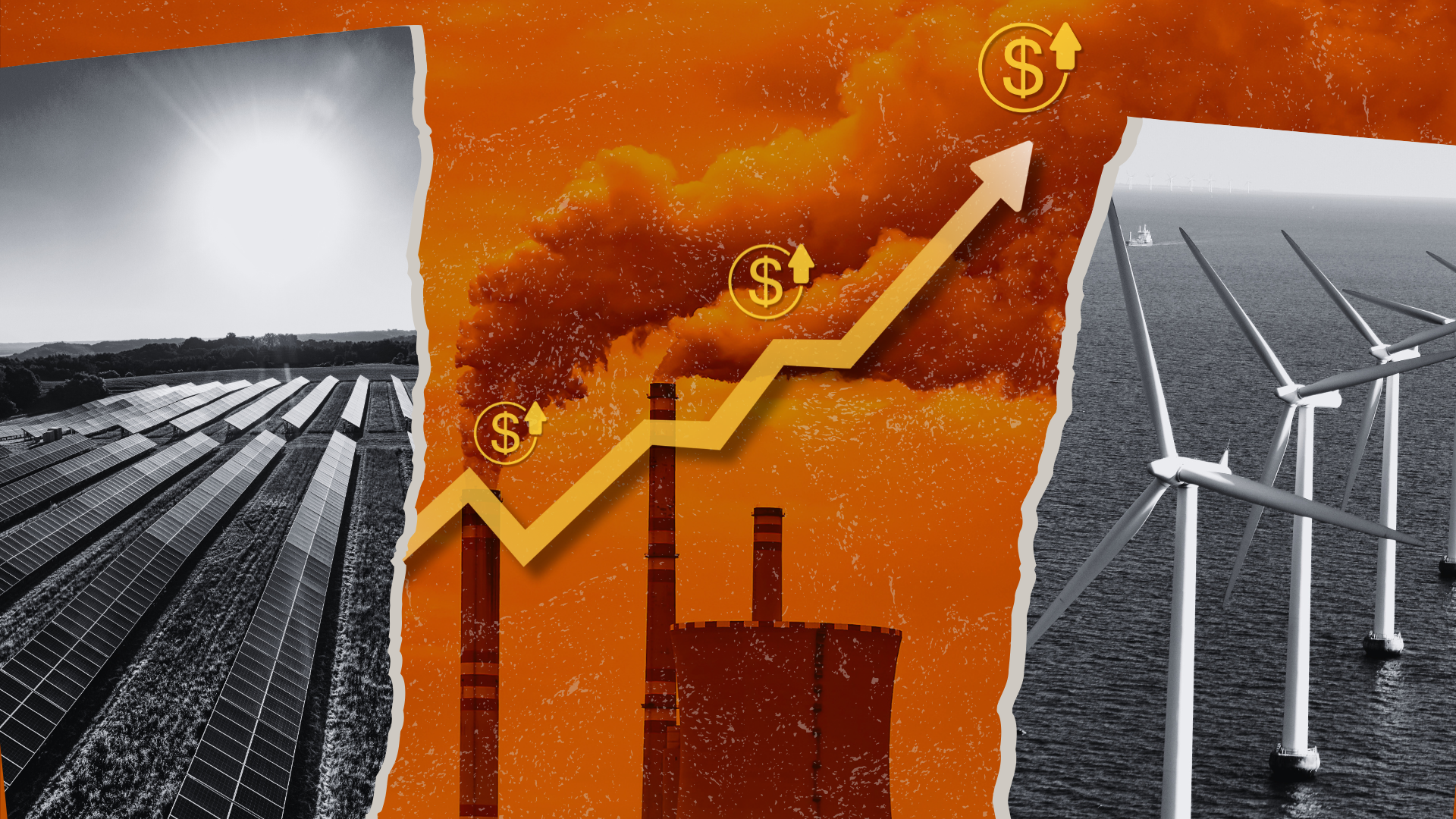
A new report by researchers at Tufts University (commissioned by NRDC) presents two ways of estimating the costs of inaction on climate change. Both lead to staggering totals – far more than the cost of addressing the problem:
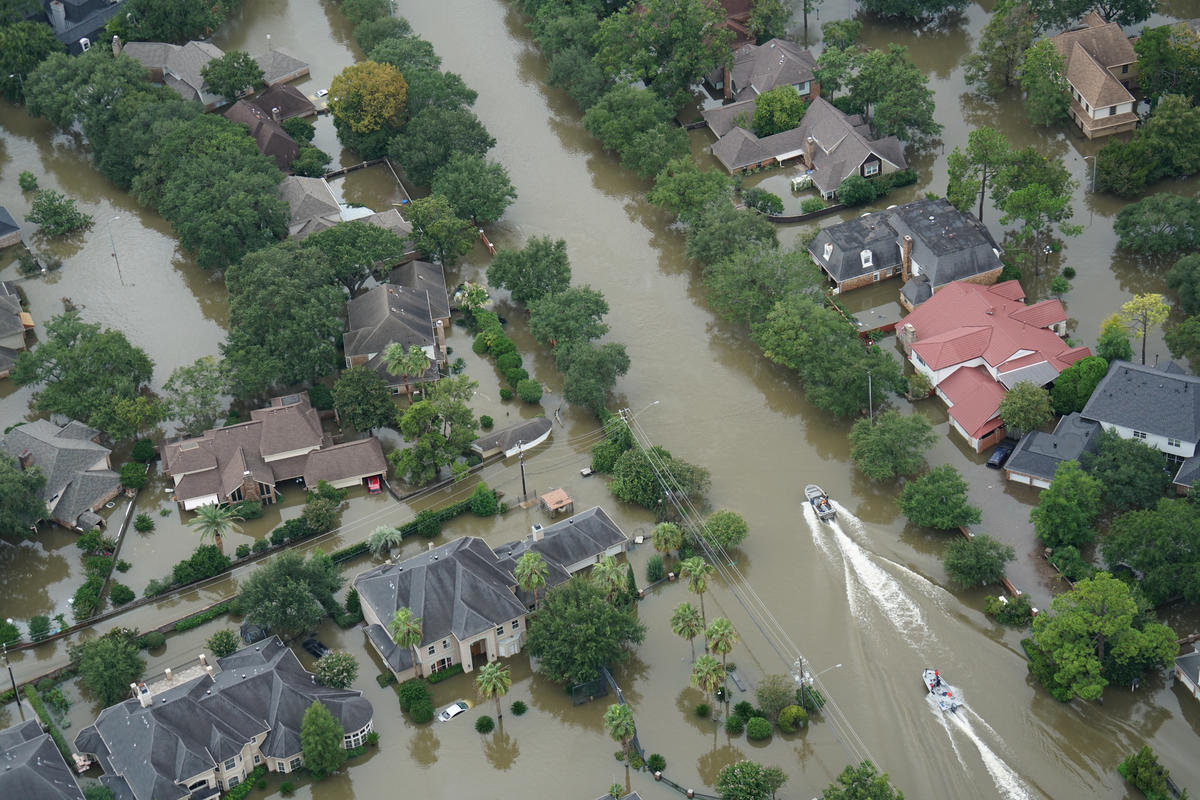
New research shows that if present trends continue, the total cost of global warming will be as high as 3.6 percent of gross domestic product (GDP). Four global warming impacts alone – hurricane damage, real estate losses, energy costs, and water costs – will come with a price tag of 1.8 percent of U.S. GDP, or almost $1.9 trillion annually (in today’s dollars) by 2100.
This report on the cost of inaction is a good companion to our own report on the low cost of an effective policy to fight climate change.
4 Comments
of course studies have shown that global warming will decrease hurricane frequency and intensity due to increased upper level wind shear in the tropics, which is obviously a main inhibiter of hurricane formation. THe bad news is if the globe continues the cooling trend started this decade and especially 2007 and first part of 2008, then the global cooling could enhance hurricane formation and frequency.
fred1 – there were inaccuracies in the reporting of the wind shear study. Frequency of storms doesn’t increase with global warming, but storm intensity does. For more, see Lisa’s post on this:
Storms May Be Fewer But Still More Fierce
Also, the paper reporting the cooling over the next decade said clearly that this is a temporary blip and doesn’t mean global warming has stopped. Here’s a link to Lisa’s post about this:
A Decade of Cooler Temperatures?
so why wasn’t this decade of global cooling known about earlier? if the computer models are so correct than this coming decade of cooling should have been known about years ago. if the best models available couldn’t predict this all of a sudden realization that the globe will cool for the next 10 years or more how can they predict that the globe will then start warming again in 2018 or later?
believe me i am a huge environmentalist (I recycle even though i would love to see a cost analysis done on how helpful that is, i try to conserve energy, and i even sweep off fertilizer from my driveway and sidewalk to keep Flipper OK (seriously i do). i am all for energy independence, but i think you guys need to look at less biased reports. I also don’t understand why you don’t support nuclear power wholeheartedly. it is safe. Look at the safety record on American military nuke subs. very good….embracing nuclear power is the only way way that you can remotely hope to cut CO2 emissions by the 60-80% that the Presidential candidates are espousing. although quite frankly i still have not been convinced that increased CO2 is a primary driver of global warming, but that is a diffrernt matter. i would like a response on why you guys are so against nuclear power….
Science marches on. Just because we learn new things from new studies doesn’t mean everything we learned before is useless.
EDF’s position on nuclear power is outlined here:
http://www.edf.org/article.cfm?contentid=4470