Category Archives: Air Pollutants

Let’s Resolve to Pollute Less in 2012- Part 1

This blog post is part one of a two part series.

(source: www.greenprophet.com)

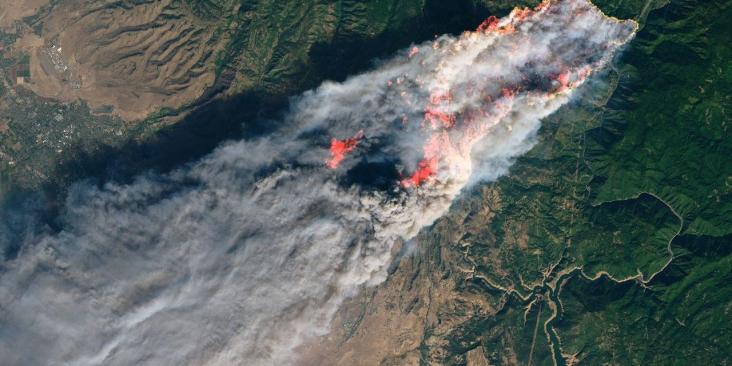
2011 was a year for extreme weather in Texas; epic wildfires and extreme drought have left Texas in a state of repair. As the fervor of our adherence to New Year’s resolutions may be starting to fade, I ask that we hold steady in the fight against harmful air pollution. As the heart of the energy sector, Texas pumps more benzene and other hazardous air pollutants into the air than any other state in the nation. And shelter in places and emergency responses happen way more often than they should. In thinking about the New Year and our resolutions for 2012, let’s remember how pollution and our actions affect our precious resources and climate. And let’s not forget the pollution events that occurred in the Lone Star state, and think about how we can do better.

Below is a list of some of the top environmental pollution events in Texas over the last decade:

Flint Hills Resources Benzene Spill- 2001

Koch Petroleum Group (now Flint Hills Resources) pled guilty in April 2001 to lying about benzene emissions coming from its petroleum plant located in Corpus Christi, Texas. Benzene is a known carcinogen, which can cause leukemia and other cancers. In 1995, Koch environmental technician Sally Barnes-Soliz found 91 tons of benzene emissions from the petroleum plant in Corpus, more than 15 times the legal limit. However, Koch only reported 0.61 tons of benzene the following year, 1/149 of the actual emissions found. Barnes-Soliz reported the falsification to the government and, as a result, Koch was charged $20 million in fines and penalties. The company earned a reported $176 million in profit from the plant in 1995; it is estimated to have cost only $7 million to comply with the Benzene emission standards.

BP Refinery in Texas City- 2005

On March 23, 2005, an explosion killed 15 employees and injured 170 as a result of workers re-starting a unit at the BP refinery that had been closed for repairs, an extremely dangerous process. The problem started when workers filled a tank with 138 feet of flammable liquid, when it should have only been filled with 6.5 feet of liquid. The window in the tower that should have let workers know the tank was too full was too dirty to see through and safety devices that should have sounded an alarm failed.

Upon further investigation, it was discovered that BP had cut costs, resulting in risky working conditions, which were likely the cause of the catastrophic event. An investigation by the Chemical Safety Board found numerous problems including out of date equipment, corroded pipes, and faulty safety alarms. This explosion has been characterized as the worst workplace incident in the U.S. from 1989 up until 2005.

Arsenic Contamination of Drinking Water- 2009

The Texas Commission on Environmental Quality foundthat 120 water utility systems across the state were not in compliance with the EPA standard for arsenic in 2009. Arsenic is a naturally occurring element in rocks and soil; it can contaminate drinking water as a result of mining runoff, erosion of natural deposits, emissions from glass and electronic processing and the use of compounds containing arsenic (ex: wood pesticides).

While most drinking water naturally has a small amount of arsenic, larger amounts resulting from improper disposal of industrial wastes can lead to lung cancer, bladder cancer and gangrene. Since 2004, the state of Texas has had 596 violations for arsenic levels over the maximum limit in drinking water. You can see a list of the top 10 most polluted communities for arsenic in Texas here.

American Smelting and Refining Company (ASARCO)- 2009

The ASARCO plant was built in El Paso in 1887. In the 1970s, a study by the Centers for Disease Control foundthat the plant was responsible for high levels of lead in children living near the facility. The copper smelter site contaminated the air with a variety of chemicals including lead, arsenic, cadmium, chromium, selenium, and zinc. Specifically, the study found over half of the children living within a mile of the smelter had levels of lead in their blood four times the limit considered acceptable by the EPA.

Research shows that even small amounts of lead in a child’s blood system can cause nervous system damage, neurological disorders, loss of IQ points, lowered attention spans, behavioral problems, and even an increase in delinquency. In February 2009, ASARCO closed the El Paso plant permanently after EPA intervened. To settle claims for hazardous pollution, ASARCO is in the process of paying $1.8 billion over the course of several years for environmental cleanup at more than 80 sites across the country, including the El Paso plant.

We will publish part two of this post on Wednesday, January 25.

Also posted in Air Pollution, Benzene, Environmental Protection Agency, GHGs | Leave a comment

EPA Rolls Out New Online Tool that Discloses Major Sources of Climate Pollution

 The Environmental Protection Agency (EPA) released a new online tool today which provides data about pollution emissions for the country’s largest industrial emitters of greenhouse gases (GHG). Together, these industry sources are responsible for billions of tons of climate disrupting pollution. This will be the first time that this data is publicly available and will inform Americans about the heat-trapping greenhouse gases emitted in their communities.

(Credit: www.epa.gov)

 EDF attorney Peter Zalzal sums up our enthusiasm for this new tool. “Americans have a right to know about the pollution in their air. This greenhouse gas emissions data promotes transparency and provides a strong foundation for Americans to work together in deploying smart climate policies.”

 Who and What is Included

The consumer friendly web platform will provide climate pollution data for 8,000 industrial facilities including cement, iron and steel producers, petroleum refiners, and pulp and paper manufacturing. The data is based on 2010 annual pollution discharges. The tool includes major industrial sources that emit 25,000 tons of carbon dioxide equivalent or more per year.  This 25,000 ton annual carbon dioxide threshold is comparable to the emissions from 131 rail cars of coal consumed or 58,000 barrels of oil consumed.

 The data for direct GHG emitters show that in 2010:

    • Power plants were the largest stationary source of direct U.S. GHG emissions with 2,324 million metric tons of CO2, followed by refineries with 183 million metric tons of CO2e.
    • CO2 emissions accounted for largest share of direct emissions with 95 percent, followed by methane with 4 percent, and nitrous oxide and fluorinated gases representing the remaining 1 percent.
    • 100 facilities each reported emissions over 7 million metric tons of CO2, including 96 power plants, 2 iron and steel mills and 2 refineries.
Emissions of the following climate-disrupting pollutants would be disclosed: carbon dioxide, methane, nitrous oxide, hydrofluorocarbons, perfluorocarbons, sulfur hexafluoride, and other fluorinated gases.  
 
The facilities in Texas that reported the largest emissions are:
Facility  City  State  Total Reported Emissions (MMT CO2)  Sectors 
ExxonMobil BT Site Baytown TX

11

Refineries
Limestone Jewett TX

13

Power Plants
Martin Lake Tatum TX

19

Power Plants
Monticello Mount Pleasant TX

14

Power Plants
Sam Seymour La Grange TX

11

Power Plants
W A Parish Thompsons TX

17

Power Plants
Welsh Power Plant Pittsburg TX

11

Power Plants

How This Data can be Used

You can search and sort information by geographic area and type of industry, and compare emissions among facilities. Additionally, you can also share this information on social media channels, such as Facebook or Twitter.

(credit: www.epa.gov)

 This new pollution information is important because provides policymakers with crucial data to design solutions to reduce global warming. It also strengthens corporate governance and sustainability through providing rigorous data that tracks pollution data for comparison between facilities. Lastly, it provides investors with transparent information and will identify companies that are leading the way in reducing climate pollution and those who are lagging behind.

 Check out the new EPA web platform today and find out about pollution in your community.

Also posted in Air Pollution, Climate change, Environmental Protection Agency, GHGs | Leave a comment

EPA (finally) releases toxics limits on power plants

(credit: www.eoearth.org)

 What a great holiday gift for America's kids. And other people who breathe and eat.

On Wednesday, with sign-off from President Obama, EPA Administrator Lisa Jackson announced the first federal regulations limiting the amount of mercury, arsenic, acid gases, dioxins and other toxics that America's coal- and oil-fired power plants can release into our air. Of course, this is a big deal only if you think neurological damage, cancer, heart disease, birth defects, asthma attacks and premature deaths are big deals. At EDF, we do, and in a joint statement with a half-dozen other national environmental groups, we pointed out the new protections will prevent 4,700 heart attacks and 130,000 asthma attacks among children — and save 11,000 lives. Every single year.

It wasn't easy. Environmentalists, evangelicals, moms and health professionals have been pushing to address this toxic threat for 21 years, and the electric power industry has pushed just as hard the other way — and with a lot more money behind them. The new regulations are a major step forward for the public's health and the health of the environment. Not surprisingly, some power companies are squealing like stuck pigs. But to their credit, fully three-quarters of the nation's largest coal-fired generators support the new rules and say they should be able to comply with them. In fact, the CEO and President of PSEG told the Wall Street Journal that the new regulations "provide a clear path for responsible coal generation."

And to those who insist on pitting the environment against the economy, we offer this: Fitting older power plants with new pollution control technology will produce an estimated 46,000 new short-term construction jobs and 8,000 new permanent jobs at power plants.

It was a long time coming, but Wednesday was a very good day.

Also posted in Air Pollution, Environment, Environmental Protection Agency, Mercury | Leave a comment

TCEQ Continues Effort To Improve Air Quality At Lynchburg Ferry

The Texas Commission on Environmental Quality (TCEQ) recently proposed a change to the Lynchburg Ferry Air Pollutant Watch List (APWL) boundary for styrene. Styrene concentrations in this area have exceeded the TCEQ’s odor-based Air Monitoring Comparison Value of 25 parts per billion by volume every year since 2003. The concentrations of styrene observed at Lynchburg Ferry in Harris County have the potential to cause many negative odor-related health effects, including nausea and headaches, as well as contributes to the region’s reputation of having stinky air.

(Credit: www.ens-newswire.com)


To address this issue, the TCEQ has proposed a boundary reevaluation of the Lynchburg Ferry APWL area. The proposed change would reduce the size of the APWL area to help TCEQ better focus its resources on the sources and facilities emitting styrene that are contributing to the elevated levels observed at the Lynchburg Ferry monitor.

Elevated concentrations of styrene have not been the only pollution concern in the Lynchburg Ferry region. For close to a decade, the area had been on the watch list for elevated concentrations of benzene (the area was removed from the watch list in 2010).

We applaud TCEQ’s choice to zero in on the specific sources of emissions that are contributing to the problems in the Lynchburg Ferry area. The table below lists the facilities of interest to the TCEQ and which will be the focus of specific styrene reduction efforts. The tier I facility will be encouraged to reduce styrene emissions while Tier II facilities have been identified as actual or potential styrene emitters and may be encouraged to reduce emissions.

EDF encourages immediate action from these sources to reduce emissions in the Lynchburg Ferry area.  The area has been on the APWL since 2003, and the number of exceedances rose to 27 in 2010, up from 20 in 2009. We believe that focusing on a few specific facilities within a more well-defined area is a good step forward for the agency and will result in lowered styrene emissions and reduced impacts on the health for citizens who live in the Lynchburg community.

The TCEQ will accept comments on the Lynchburg Ferry APWL boundary through December 23, 2011. You can email comments to APWL@tceq.texas.gov or call (512) 239-1117 for any questions. You can also attend a TCEQ public meeting regarding this proposal on December 14, 2011, at 6:00 p.m. at the North Channel Branch Library, located at 15741 Wallisville Road, Houston, Texas 77049.

Facilities Emitting Styrene in the Lynchburg Ferry APWL Area

Classification

Regulated Entity

Tons of Styrene Emitted in 2009

Tier I Channel Shipyard 3.7935
Tier II Southwest Shipyard 0.0004
Tier II Vopak Terminal Deer Park 28.0687
Tier II Vopak Logistics Services USA Deer Park 0.4761
Tier II Kirby Inland Marine, LP 0.0842
Tier II K-SOLV No EI
Tier II Stolt Tank Cleaning Facility and Depot 0.1424
Tier II Stolt Barge Services No EI
Tier II Intercontinental Terminals Deer Park Terminal Styrene not reported
Tier II Slay Transportation No information available
Tier II Johann Haltermann No information available

 No EI- means the source did not submit an emissions inventory

Also posted in Air Pollution, Styrene, TCEQ, Uncategorized | Leave a comment

Recent Fire Near Dallas Re-enforces Concerns over Air Toxics Exposures

Source: Associated Press

A chemical plant fire blazed last week at a Magnablend Inc. facility in Waxahachie, Texas as workers mixed a toxic assortment of chemicals. The owner, Scott Pendery, initially gave vague comments about the types of chemicals produced in the plant. However, he later stated that most of what the plant produces is a cocktail of chemicals blended specifically to be used in hydraulic fracturing fluids, used to extract natural gas.   

Nearly 1,000 residents who live close to the chemical plants were forced to evacuate their homes. Ellis County emergency management officials issued a mandatory evacuation order for an apartment complex, an elementary school and a junior college.

Neither EPA officials nor the Waxahachie Fire-Rescue team were aware what Magnablend was producing at the plant. It is legal to blend fracking chemicals. However, federal law states that if enough dangerous chemicals are stored on site, the company must file a risk management plan. No such plan had been filed.

We do not yet know what effects the toxins from the fire will have on residents living close to Magnablend and the citizens on Waxahachie. Local, state and federal officials are currently conducting investigations. However, we do know that fires like these are only increasing the numerous health risks for individuals exposed to air toxics. A report by the EPA in 2006 found that 270 million Americans, or 90 percent of the nation, were exposed to air toxics at levels that increased their risk of cancer by more than the generally accepted risk level of one in one million. Additionally, communities near industrial facilities are often low-income and lack health insurance, and thus do not have the resources to cope with and recover from exposure to high levels of air toxics.

Source: Associated Press

While emission events from facilities like Magnablend continue to represent a serious health threat to Texas citizens, elected state officials should be advocating for stronger health protections as opposed to fighting against them. State Representative Joe Barton, who represents Waxahachie, has historically not been supportive of human health issues in the legislature. Earlier this year, Barton claimed at a congressional hearing that reducing emissions of toxic mercury, sulfur dioxide and soot would not bring health benefits. He stated that, although he is "not a medical doctor," he offered the "hypothesis” that EPA estimates of the benefits of its proposed air toxics rule are "pulled out of the thin air" because there is no "medical negative" to mercury exposure.

 Governor Perry also made statements recently about the air quality in Texas. He said, “We cleaned up our air in Texas more than any other state, during the decade of the 2000s.” Fact check debunked Perry’s statements and highlights the evidence that despite any improvement, Texas air quality still ranks among the most polluted in the country.

 Texas is a great state, and we shouldn’t let it burn down. Let’s work harder to protect it and the people in it.

Also posted in Air Pollution, Natural gas | 2 Responses

Yawn. Rick Perry Sues The EPA…Again

Texas filed a petition in federal court last week to block the Cross State Air Pollution Rule (CSAPR) that will require states to reduce sulfur dioxide and nitrogen oxide emissions, most of which come from coal-fired power plants.  It’s a case of Texas versus the EPA, round eight and counting.

In a letter sent to President Obama on Sept. 26, Governor Perry said the implementation of the CSAPR will have an "immediate and devastating effect on Texas jobs, our economy and our ability to supply the electricity our citizens, schools and employers need."

Perry and his administration have yet to meet a health safety rule they like. This political banter is said to be pro-business, preventing Texans from losing jobs. Yet this comes from the same administration that cut 49,000 teacher positions and 6,000 state employee jobs earlier this year. Perry claims that the rule will kill jobs in Texas. Why doesn’t he care about the pollution that kills Texas’ children?

Earlier this month, Perry stated that “the Obama Administration continues to put up road blocks for our nation’s job creators by imposing burdensome regulations based on assumptions, not facts, that will result in job losses and increased energy costs with no definite environmental benefit."

No definite environmental benefit? The CSAPR will improve air quality, provide increased protection for sensitive ecosystems, and improve visibility in national and state parks. Nationally, this rule will save up to 34,000 lives, prevent 400,000 asthma attacks, and avoid 1.8 million lost sick days each year. In Texas alone, up to 1,704 lives will be saved each year. The state will be one of the biggest beneficiaries of the 27 states to which this rule applies.

Perry went on to say, "yet again, this administration is ignoring Texas’ proven track record of cleaning our air while creating jobs, opting instead for more stifling red tape.”

I hope Governor Perry doesn’t break his arm when patting himself on the back for the air quality in Texas. A new report released by Environment Texas on Sept. 14 cites smog pollution in seven Texas cities among the smoggiest nationwide, putting residents’ health at risk. This report ranks cities in Texas and across the country for the number of days when the air was unhealthy to breathe from 2010-2011.

Perry has stated, ‘I will always err on the side of life.’ His rhetoric certainly conflicts with his actions. The new air pollution rule will not only save the lives of Texans, but also bordering states that feel the effects of pollution from power plants here in the Lone Star State. It’s time that we make air quality a priority in Texas, and stop allowing coal plants to dirty our air and poison our families.

Also posted in Air Pollution, Environment, GHGs, Ozone | 8 Responses

Energy Producers Capture More Today Than In "Good Old Days" But We'll All Benefit If They Do Better

In the frontier days of drilling in the 1900s, discoveries such as Spindletop in Texas and the Drake in Pennsylvania heralded a new era of energy for America. Back then, the gaseous by-product produced at the wellhead was considered a nuisance and flared (burned) or released into the air. Today, it's considered a valuable energy source and routinely harnessed, which results in economic and environmental benefits. Capturing gas cuts emissions that contribute to ground-level ozone, cause cancer, and contribute to climate change.

Given that it’s 2011, we’re way past the conditions of the 1900s. But, whereas the process of capturing natural gas as an energy source has come a long way, many improvements must still be made to ensure producers capture the maximum amount of natural gas “upstream” at wellheads and throughout the gas processing and transportation network.

Just because the gas can’t be seen doesn’t mean it isn't hazardous. In the last three years, new data shows that natural gas leaks might be twice as high as previously thought. This means that a lot more air pollution is fouling the air we breathe.

The pollution comes from equipment on-site (tanks, valves, compressor engines, flanges), at processing plants (where raw natural gas is purified for residential and commercial use) and throughout the pipeline system.

If you know anyone that lives near drilling sites — such as the Barnett Shale in Texas, the Marcellus Shale in Pennsylvania, Piceance and big chunks of Colorado and Wyoming — you’ve likely heard stories about their public health and environmental impacts.

EDF sponsored a study showing that the emissions produced by natural gas operations around Barnett Shale rival those from 4 million cars and trucks in the Dallas-Fort Worth metro area. Around the country, those who live nearby drilling sites have reported higher incidents of health concerns including respiratory and skin irritation, neurological problems, dizziness and headaches. And in some instances, elevated levels of benzene — a known carcinogen — have been detected.

The Environmental Protection Agency (EPA) has proposed rules that would require use of technologies and practices to capture more of the natural gas now being allowed into the air. These clean air standards are sensible, which makes you wonder why it’s taken a century to put these rules into place at the national level. It also makes you wonder why industry would fight them when they can capture more natural gas and bring it to market. Indeed, in addition to the health and environmental benefits of the rule, there are economic benefits.

A number of natural gas companies already use the practices that the EPA is proposing to cut methane and are touting the resulting economic benefits.

Similar requirements to those the EPA proposed have been in place in Colorado and Wyoming without adverse affects on companies’ profits. Who isn’t for a win-win solution?

I’ll be blogging more about this proposal in the coming days. Please get involved by writing to the EPA in favor of updated clean air protections. We also invite you to join us and share your thoughts with the EPA at the upcoming public hearings in: Pittsburgh, Sept. 27; Denver, Sept. 28; and in Arlington, Texas on Sept. 29. If you can't make the hearings, you can submit comments online until Oct. 24.

There's no better time than now to make your voice heard and show your support for clean air.

Also posted in Air Pollution, Barnett Shale, Benzene, Environment, Environmental Protection Agency, Natural gas | Tagged , , , , , , , | 4 Responses

Why Luminant Shouldn’t Get a Free Pass to Pollute

Yesterday, Luminant filed a motion in the DC circuit court to fight vital clean air rules that other utilities in Texas have been able to meet. Instead of working with EPA on a path toward cleaner air, Luminant abandoned recent talks with EPA and issued a press release that recused itself of responsibility, threatened possible plant closures and blamed EPA for potential job losses. Luminant's recent statement highlights a simple fact: closing plants is a business decision, plain and simple. Luminant isn’t closing these plants because of EPA regulations – that’s just their cover story.  They’re closing the plants because they did not begin to make reductions to meet the rule that anyone could see was coming.  The EPA just gives them a convenient way to shift blame. Moreover, Luminant is ignoring other viable alternatives to plant closures just to save some money in the short-term.  If anyone loses their job, they can blame Luminant’s management team for failing to plan accordingly to abide by the law.  We feel very bad for the workers whose company let them down. Read More »

Also posted in Air Pollution, Environment, Environmental Protection Agency | Tagged , , , , , , , , | 1 Response

Texas State Environmental Agency Expands Air Toxic Hotspot Area

The Texas Commission on Environmental Quality (TCEQ) recently issued a public comment period and public meeting regarding the Galena Park Air Pollutant Watch List (APWL) area for benzene. The purpose of the APWL is to reduce air toxic emissions in areas of Texas where ambient air monitoring indicates a potential health concern.

Galena Park is listed on the APWL due to elevated annual average concentrations of benzene.  Benzene is a known human carcinogen – both the National Toxicology Program (NTP) and the International Agency for Research on Cancer (IARC) have found sufficient evidence that high benzene exposure causes acute myeloid leukemia (AML).

Why the change?

Between 1998 and 2007, annual average benzene concentrations in Galena Park exceeded the long-term, health-based Air Monitoring Comparison Values (AMCV) of 1.4 parts per billion by volume (ppbv). In 2009, annual average benzene concentration at the Pasadena North monitoring site equaled the long-term AMCV of 1.4 ppbv.

TCEQ recently conducted a reevaluation of Galena Park and identified significant man-made benzene sources located outside of the current APWL boundary that are likely contributing to annual average benzene concentrations at the Galena Park and Pasadena North monitoring sites. As such, TCEQ is proposing to expand the Galena Park APWL boundary to include these sources of benzene. Read More »

Also posted in Air Pollution, Benzene, Environment, TCEQ | Tagged , , , , , , , , , , | Leave a comment

Houston Chronicle to Rick Perry: "Stop Blowing Smoke"

This post was written by Colin Meehan, Clean Energy Analyst for EDF's Energy Program

Houston (and the Rest of Texas) Benefit From the EPA's Efforts

In an editorial today, the Houston Chronicle lauded the EPA for developing sensible rules that protect human health while keeping impacts to industry as minimal as possible. Specifically the Chronicle pointed out that EPA's Cross-State Air Pollution Rule (CSAPR) will save lives and improve Texans' health with benefits that far outweigh the impacts to industry in the state.  Pushing back against Governor Perry and TCEQ Chairman Bryan Shaw's unfounded claims of massive job losses, the Chronicle's editorial board had this to say about Perry's political posturing:

"We're well aware that Perry is contemplating a presidential run, and that "federal overreach" plays well to some Texas voters, but clean air doesn't stop or start at the state line. Texas emissions pollute the air of other states, including Louisiana, Illinois and Michigan, but our Texas air is in turn polluted by emissions from at least 12 other states."

TCEQ: Fighting the EPA While the EPA Works with Texas Businesses

These issues were raised at a conference earlier this week, where I had the opportunity to sit on a panel with Chairman Shaw as well as former TCEQ Chair and current Texas Public Policy Foundation Fellow (a conservative Texas think tank funded in part by fossil fuel interests) Kathleen Hartnett White.   Both Shaw and White have long been critics of what they see as 'federal government overreach,' although noticeably neither were vocal on this issue when in 2007 the Bush administration declared TCEQ's flexible permitting program was "in violation of the Clean Air Act."  (See Appendix 5-6 of the link). Still, Shaw continued to use the EPA's actions on flexible permitting as an example of federal overreach that in his opinion threatens jobs more than it helps the environment.  Read More »

Also posted in Air Pollution, Environmental Protection Agency, Ozone, PM2.5, TCEQ, Texas Permitting | 2 Responses