Tag Archives: trichloroethylene (TCE)

More “A”-level work under REACH: ECHA adds eight chemicals to the Authorization List

Allison Tracy is a Chemicals Policy Fellow.

The European Commission has formally added eight more chemicals to the list of chemicals subject to authorization under the European Union’s Regulation on Registration, Evaluation, Authorization and Restriction of Chemicals (REACH).  These eight chemicals, which were proposed for addition to the Authorization List (or Annex XIV) in December 2010, join the six inaugural chemicals that were formally listed last February (see EDF’s blog post on that occasion).  The full Authorization List is available on ECHA’s website; the list also specifies the corresponding sunset date by which time uses of a chemical must cease unless specifically authorized. Read More »

Posted in Health Policy, REACH | Also tagged , , | Comments closed

REACH starts to earn its "A": 20 chemicals headed to the Candidate List and 13 to Authorization

Allison Tracy is a Chemicals Policy Fellow. Richard Denison, Ph.D., is a Senior Scientist.

The European Chemicals Agency (ECHA) has been busy this week implementing the EU's chemical regulation, REACH (short for Registration, Evaluation, Authorization and Restriction of Chemicals).

On Monday, ECHA announced it has added 20 more Substances of Very High Concern (SVHCs) to REACH's Candidate List.  These SVHCs are now eligible for later addition to Annex XIV, the list of SVHCs subject to Authorization.

Separately, the agency today forwarded its final recommendation that 13 chemicals already on the Candidate List be formally added to Annex XIV.  (We had blogged earlier about ECHA's initial recommendation proposing these 13 SVHCs for Authorization.)  If the European Commission confirms this addition, after a specified sunset date, the use of these will be allowed only if specifically authorized by EU authorities.  Read More »

Posted in Health Policy, REACH | Also tagged , , , , , , | Comments closed

Twin dangers from TCE: Widespread exposure, and now a strong link to Parkinson disease

Jennifer McPartland, Ph.D., is a Health Scientist.

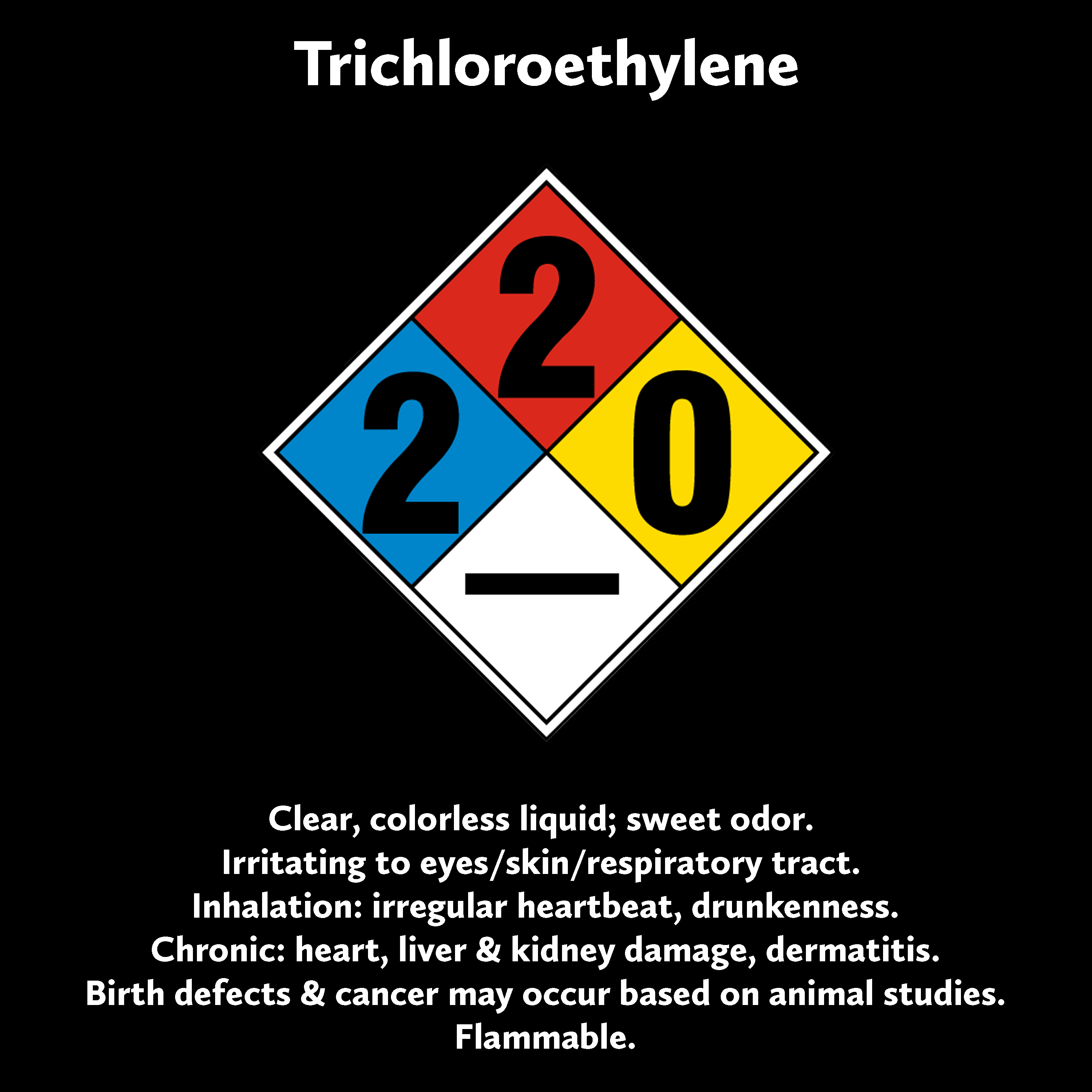
A study published online in the Annals of Neurology last week, “Solvent Exposures and Parkinson Disease Risk in Twins,” adds to scientific evidence linking exposure to the solvent trichloroethylene, or TCE, and other common solvents with onset of Parkinson disease.  Parkinson disease is a debilitating condition well known for symptoms of trembling but can also include slowed motion, impaired posture and balance, and loss of automatic movements (e.g. blinking, arm swaying when walking).  Most unfortunately, it has no cure. 

According to the authors, this new twin study is the first confirmation in a population-based study of a significant association between exposure to TCE and incidence of Parkinson disease.    Read More »

Posted in Health Policy, Health Science, TSCA | Also tagged , , , , , , | Comments closed
  • About this blog

    Science, health, and business experts at Environmental Defense Fund comment on chemical and nanotechnology issues of the day.

    Effective April, 2009, we have expanded the scope of our blog to encompass our work and perspectives on both chemicals and nanomaterials.

    Our work: Chemicals

  • Get blog posts by email

    Subscribe via RSS

  • Categories

  • Filter posts by tags


    • aggregate exposure (9)
    • American Chemistry Council (ACC) (49)
    • arsenic (3)
    • asthma (3)
    • Australia (1)
    • biomonitoring (9)
    • bipartisan (6)
    • bisphenol A (14)
    • BP Oil Disaster (18)
    • Canada (7)
    • carbon nanotubes (24)
    • carcinogen (19)
    • Carcinogenic Mutagenic or Toxic for Reproduction (CMR) (11)
    • CDC (6)
    • Chemical Assessment and Management Program (ChAMP) (13)
    • chemical identity (30)
    • chemical testing (1)
    • Chicago Tribune (6)
    • children's safety (18)
    • China (10)
    • computational toxicology (9)
    • Confidential Business Information (CBI) (40)
    • conflict of interest (1)
    • consumer products (43)
    • Consumer Specialty Products Association (CSPA) (4)
    • contamination (4)
    • cumulative exposure (4)
    • data requirements (41)
    • diabetes (4)
    • DNA methylation (4)
    • DuPont (11)
    • endocrine disruption (23)
    • epigenetics (3)
    • exposure and hazard (38)
    • FDA (8)
    • flame retardants (17)
    • formaldehyde (13)
    • front group (13)
    • Globally Harmonized System (GHS) (5)
    • Government Accountability Office (5)
    • hazard (5)
    • High Production Volume (HPV) (22)
    • in vitro (13)
    • in vivo (10)
    • industry tactics (38)
    • inhalation (18)
    • IUR/CDR (25)
    • Japan (3)
    • lead (6)
    • mercury (4)
    • methylmercury (2)
    • microbiome (3)
    • nanosilver (6)
    • National Academy of Sciences (NAS) (16)
    • National Institute for Occupational Safety and Health (NIOSH) (7)
    • National Institute of Environmental Health Sciences (NIEHS) (5)
    • National Nanotechnology Initiative (NNI) (6)
    • obesity (6)
    • Occupational Safety and Health Administration (OSHA) (3)
    • Office of Information and Regulatory Affairs (OIRA) (3)
    • Office of Management and Budget (OMB) (12)
    • Office of Pollution Prevention and Toxics (OPPT) (3)
    • oil dispersant (18)
    • PBDEs (14)
    • Persistent Bioaccumulative and Toxic (PBT) (20)
    • pesticides (7)
    • phthalates (14)
    • polycyclic aromatic hydrocarbons (PAH) (5)
    • prenatal (6)
    • prioritization (31)
    • risk assessment (60)
    • Safe Chemicals Act (24)
    • Safer Chemicals Healthy Families (33)
    • Significant New Use Rule (SNUR) (15)
    • Small business (1)
    • South Korea (3)
    • styrene (5)
    • Substances of Very High Concern (SVHC) (12)
    • test rule (13)
    • tributyltin (3)
    • trichloroethylene (TCE) (3)
    • Turkey (3)
    • U.S. states (12)
    • vulnerable populations (1)
    • worker safety (21)
  • Archives